Week 3
Why Motivation Drops in January (And Why You Feel Bad About It)
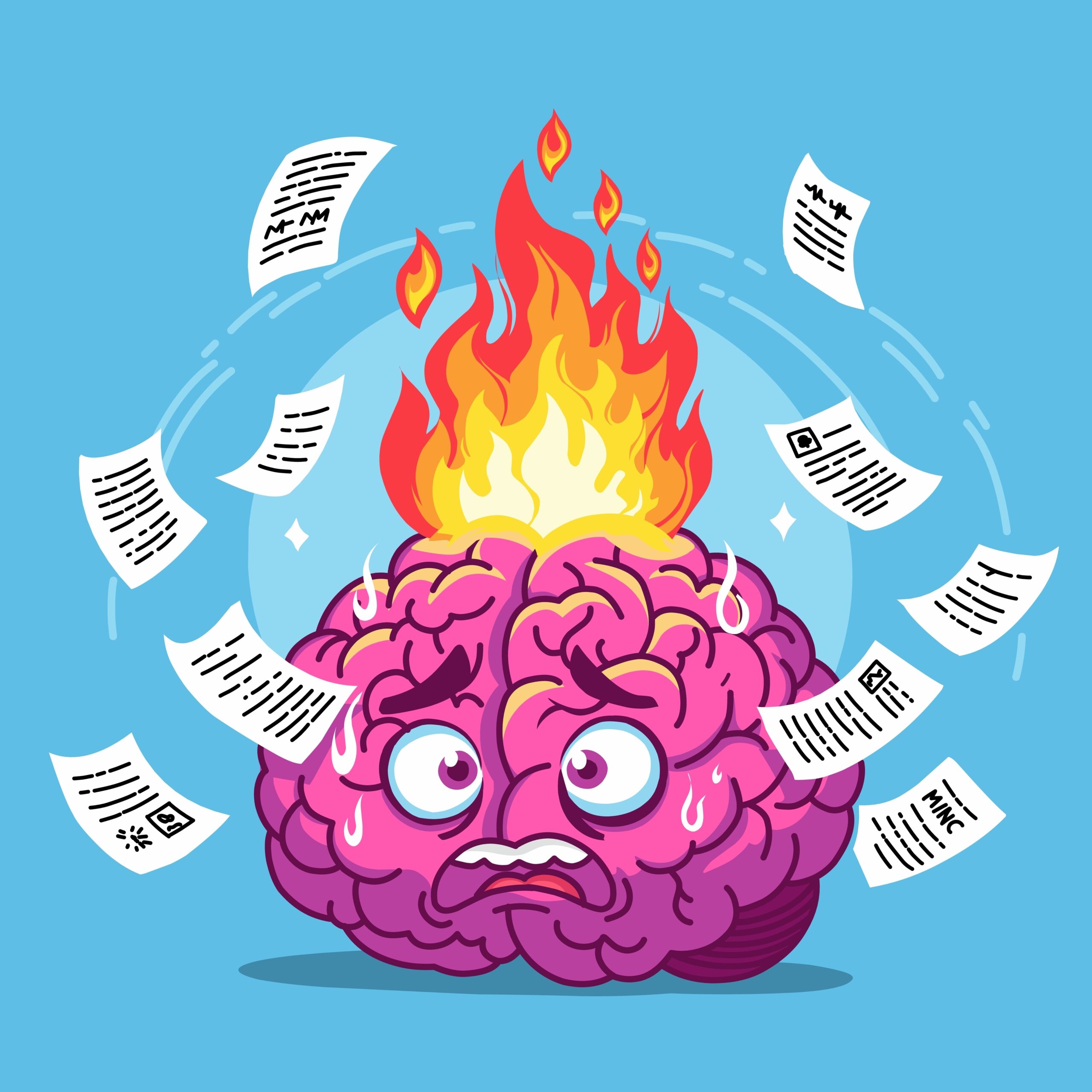
Every January, motivation feels almost automatic. Goals feel clear. Energy feels higher. Change feels possible. Then, somewhere around the third week, something shifts. The drive that felt so strong begins to fade, and frustration creeps in.
Many people assume this drop in motivation means they are failing—lacking discipline, willpower, or commitment. But that assumption misses something important.
Motivation is not a character trait. It is deeply connected to mental and emotional health. Stress, sleep, emotional load, and support systems all influence how much energy your brain has available for growth. When life feels heavy, motivation often follows.
If you’ve ever wondered why your best intentions seem to stall right when you’re trying to do better, this isn’t a personal flaw. It’s a nervous system response—and understanding it changes how you move forward.

The Brain Reason Motivation Fades (Dopamine + Decision Fatigue)
Motivation runs partly on dopamine. Dopamine increases with novelty, new goals, and fresh starts. However, novelty does not last. Once routines begin, dopamine naturally decreases. As a result, motivation often drops after the first few weeks.
At the same time, your brain faces decision fatigue. When you must decide every day whether to do a habit, your brain burns energy just choosing. Over time, that constant effort drains motivation even faster.
In other words, motivation is unreliable by design. Systems are steadier than willpower, especially when mental health is already taxed.
Why “Lazy” Is Often a Stress Response (Fight, Flight, Freeze)
When stress rises, your nervous system may shift into fight, flight, or freeze.
- Freeze often looks like procrastination or avoidance
- Flight can look like scrolling, distraction, or busywork
- Fight may show up as irritability, self-criticism, or frustration
So if you’ve been calling yourself lazy, pause. You may be emotionally exhausted or stuck in a stress response. That does not mean you are broken. It means your body is trying to protect you.
Unfortunately, shame makes this worse. Shame adds pressure, and pressure signals threat. As a result, your nervous system tightens and motivation drops even more.
What Works Better Than Motivation: Build a Low-Energy System
Instead of waiting to feel motivated, build a system that works even on hard days. Systems reduce decision fatigue and protect energy.
Try this simple low-energy system:
- Pick one habit (not five)
- Lower the entry step until it feels almost too easy
- Attach it to something you already do
- Track small wins (proof matters to the brain)
- Plan for low-energy days (because they will happen)
Examples:
- Instead of “read the Bible for 30 minutes,” try “read one verse after coffee.”
- Instead of “work out every day,” try “2 minutes of movement after brushing teeth.”
- Instead of “clean the whole house,” try “set a 5-minute timer.”
You don’t need bigger motivation. You need smaller, repeatable steps.

Faith and Follow-Through: God Grows Steady People
Faith does not always feel energized. Sometimes faith looks like showing up quietly when feelings are low. Scripture shows God building endurance over time, not demanding instant results.
If you missed a habit yesterday, you did not fail spiritually. You are learning. God does not measure growth by perfect streaks. He meets people with mercy and teaches steady steps.
Consistency matters more than intensity.
Better Questions to Ask When Motivation Is Low
Instead of asking, “What’s wrong with me?” try:
- What is draining my energy right now?
- What would make this 10% easier today?
- What is one step I can do on a low-energy day?
- What support do I need: sleep, food, boundaries, connection, prayer, or help?
Then choose one small action — and let it count.
January Isn’t a Test. It’s a Training Ground.
Week three often feels discouraging. However, it can also become a turning point. Motivation may fade, but support can increase.
Start smaller. Make it easier. Let grace hold the process.
Grace First, Growth Follows.
Frequently Asked Questions About Motivation and Mental Health
Why does my motivation disappear so fast?
Motivation drops when novelty fades and decision fatigue increases. Stress, anxiety, depression, and sleep loss also reduce energy and drive.
Is procrastination a mental health issue?
Sometimes. Procrastination can reflect stress, perfectionism, ADHD patterns, fear of failure, or a freeze response.
What’s the fastest way to get started when I feel stuck?
Lower the entry step. Commit to “2 minutes only.” Starting often calms the nervous system and builds momentum.
Do I need discipline or motivation?
Discipline helps, but systems help more. Systems reduce decision fatigue and make habits repeatable.
How can faith help when I feel unmotivated?
Faith supports steady growth through small daily steps. It also helps you return to grace when progress feels slow.
Reader Disclaimer
At Eternal Hope Christian Counseling, our content is written from a faith-integrated, clinically informed perspective. The information shared on this blog is intended for educational purposes and reflects evidence-based mental health principles alongside a Christian understanding of grace, growth, and healing. This content is not a substitute for individualized mental health treatment, professional counseling, diagnosis, or medical advice. If you are experiencing significant emotional distress or worsening symptoms, please seek personalized support from a licensed mental health professional. Healing is a process — Grace First, Growth Follows.
- Week One New Year: Why Anxiety Did Not Reset At Midnight
- Week Two Goal Setting Without Shame: Why Grace Sustains Change Better Than Pressure