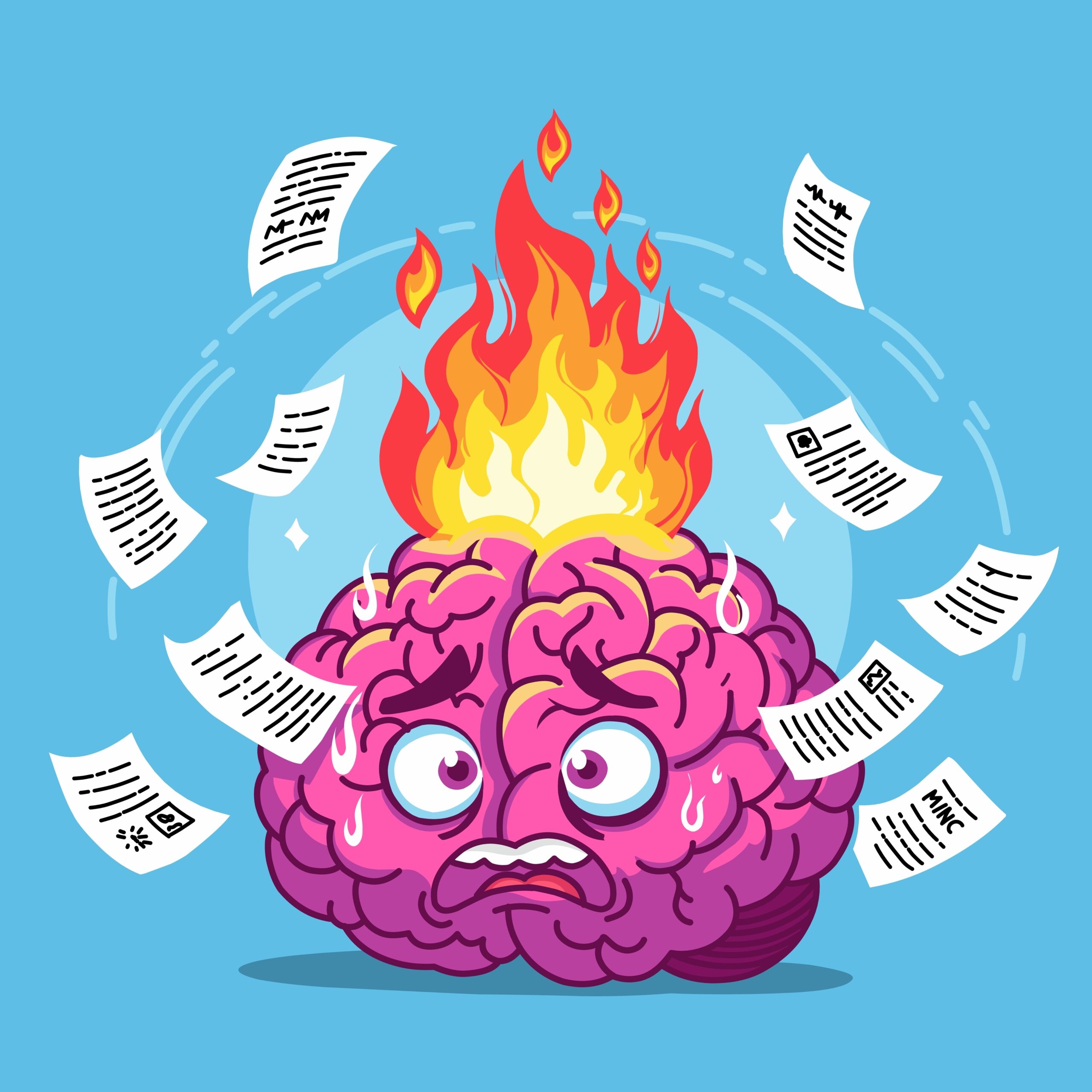
Perfectionism Often Feels Like Responsibility — But Costs Peace
At first glance, perfectionism often looks like responsibility, discipline, or high standards. It may appear as commitment, reliability, or strong character. However, from a clinical perspective, perfectionism is rarely driven by values alone. Instead, it is most often driven by fear.
From a psychological standpoint, perfectionism functions as a protective strategy. It develops when the brain learns—often early in life—that mistakes, inconsistency, or emotional needs are unsafe. When approval feels conditional, criticism is frequent, or emotional responses are unpredictable, the nervous system adapts by trying to control outcomes.
Over time, this need for control becomes internalized. The inner critic steps in as a protector, constantly scanning for errors and pushing for better performance. Although this strategy may lower anxiety briefly, it increases stress long term. As a result, the body stays tense, alert, and vigilant.
Clinically, perfectionism is often associated with:
- chronic anxiety and hypervigilance
- rigid core beliefs such as “I am only acceptable if I perform well”
- difficulty resting or feeling satisfied
- fear of failure or disappointing others
- emotional exhaustion and burnout
Even after success, many people with perfectionism do not feel relief for long. Instead, accomplishment fades quickly. Soon after, the nervous system returns to monitoring mode, asking, “What’s next?” or “What could go wrong?” Because of this cycle, perfectionism often feels relentless rather than rewarding.
This is where perfectionism and mental health intersect. When safety depends on flawless performance, the nervous system never receives the signal it needs to slow down. Peace, therefore, does not come from doing better. Rather, it comes from feeling safe.

How Perfectionism Develops (Clinical Framework)
From a CBT and trauma-informed perspective, perfectionism is reinforced through three interacting patterns that build on one another.
Core Beliefs
These beliefs shape identity and self-worth, such as:
- “I am not enough.”
- “I am only valued when I succeed.”
Conditional Assumptions
Over time, beliefs turn into rules, including:
- “If I fail, I will be rejected.”
- “If I slow down, everything will fall apart.”
Rigid Internal Rules
Eventually, these assumptions become demands:
- “I must always do my best.”
- “Mistakes are unacceptable.”
Together, these patterns activate the brain’s threat system. As a result, the nervous system stays on alert even when no real danger is present.
How Perfectionism Affects the Nervous System
Perfectionism keeps the amygdala activated. Even during calm moments, the body anticipates risk. Because of this, stress hormones remain elevated.
As a result, people experiencing anxiety and perfectionism often notice:
- difficulty relaxing
- racing or looping thoughts
- disrupted sleep
- procrastination driven by fear
- chronic tension or fatigue
This pattern explains why perfectionism and burnout frequently appear together. When the nervous system never exits threat mode, rest no longer restores energy.

Perfectionism vs. Excellence: A Clinically Important Difference
Although perfectionism and excellence are often confused, they operate very differently.
- Excellence is flexible and allows learning.
- Perfectionism is rigid and fear-based.
Excellence says, “I want to do this well.”
Perfectionism says, “I must do this perfectly or I am not safe.”
Fear is the key difference. Perfectionism relies on pressure to motivate, whereas excellence allows growth without threat. Understanding this distinction supports progress without reinforcing anxiety.

Reintroducing Faith: When Performance Replaces Grace
This is often where perfectionism and faith begin to collide.
For many Christians, perfectionism quietly enters spiritual life. Over time, faith practices turn into measurements. Spiritual growth becomes something to “get right.” As a result, faith may start to mirror the same fear-based patterns already active in the nervous system.
Thoughts may include:
- “If my faith were stronger, I wouldn’t struggle.”
- “I should be doing more.”
- “God must be disappointed in me.”
Unfortunately, these beliefs do not promote healing. Instead, when faith becomes performance-based, it reinforces threat rather than safety.
Grace plays a clinically important role here. By removing fear as the motivator for growth, grace allows the nervous system to regulate. When safety increases, flexibility and peace naturally follow. In this way, faith rooted in grace supports healing rather than striving.
Practicing Grace-Based Growth This Week
Healing perfectionism does not require lowering values. Instead, it requires lowering fear.
This week, try one small practice:
- stop one task at 80% and let it stand
- rest without explaining or justifying it
- replace self-criticism with curiosity
- allow “good enough” once per day
Through repetition, these practices teach the nervous system that safety does not depend on perfection.

Better Questions to Ask When the Inner Critic Appears
Rather than asking, “Why can’t I relax?” consider these questions:
- What fear is driving this pressure?
- What do I believe will happen if I disappoint someone?
- How is my nervous system trying to protect me?
- What would grace invite me to release today?
January Is Not a Performance Review
January often invites comparison and self-evaluation. However, healing does not begin with judgment. It begins with safety.
You do not need to earn rest.
You do not need to prove worth.
Growth can be slow, supported, and imperfect.
Grace First, Growth Follows.
Frequently Asked Questions About Perfectionism and Faith
Is perfectionism a mental health issue?
Perfectionism is commonly linked to anxiety, burnout, depression, and trauma patterns.
Can faith increase perfectionism?
Faith itself does not. However, performance-based beliefs can intensify perfectionism.
Why does perfectionism lead to burnout?
Because the nervous system remains in threat mode and never fully rests.
How does grace help clinically?
Grace increases perceived safety, which allows the nervous system to regulate and release control.
Reader Disclaimer
At Eternal Hope Christian Counseling, our content is written from a faith-integrated, clinically informed perspective. The information shared is for educational purposes only and is not a substitute for individualized mental health treatment, diagnosis, or medical advice. If symptoms worsen or distress increases, please seek support from a licensed mental health professional. Healing is a process — Grace First, Growth Follows.