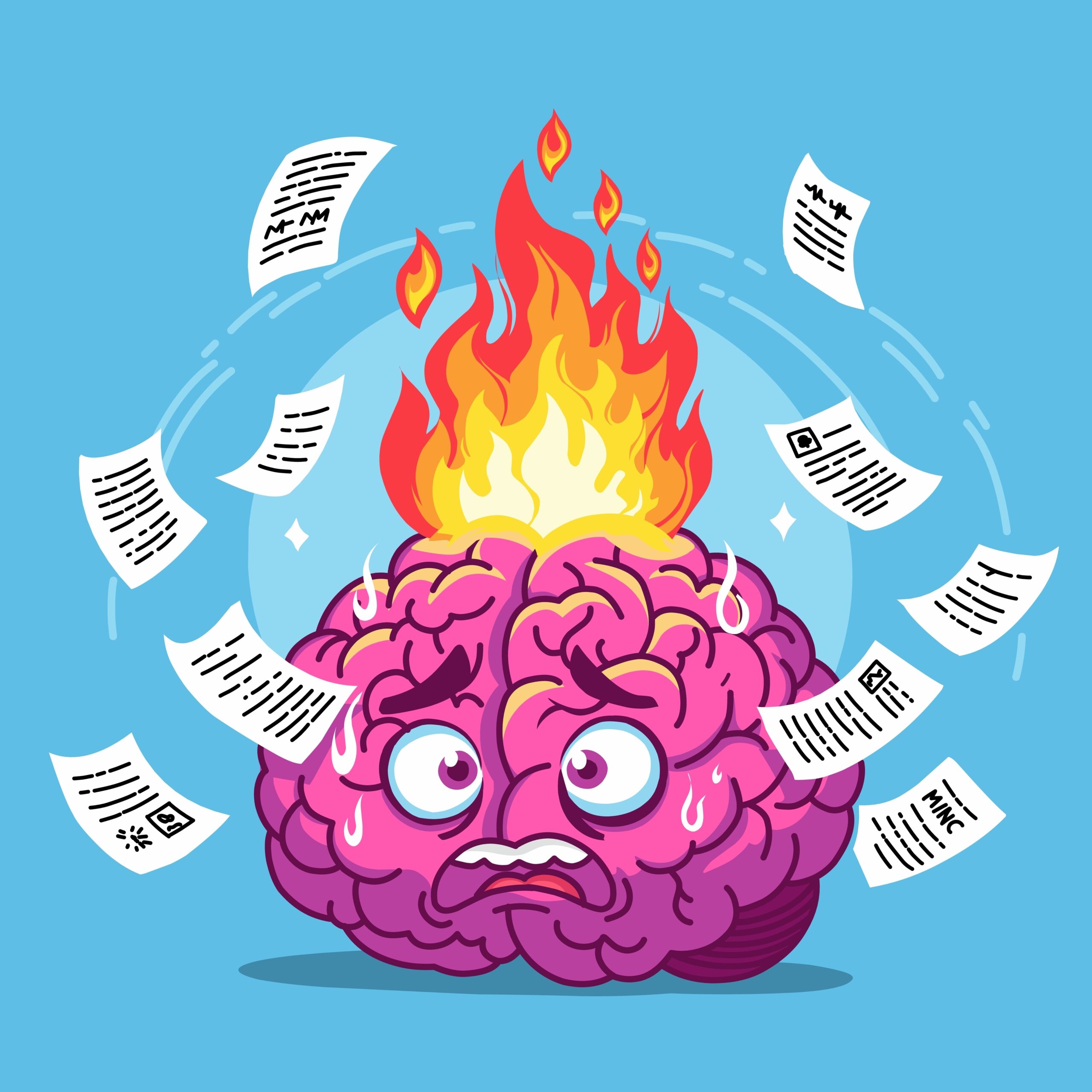
Your brain is confident there’s one more thing to analyze
Why Does My Brain Refuses to Let the Conversation Be Over
Does this sound like you?
You replay conversations after they’re over
tone, wording, pauses, facial expressions.
You don’t just remember what was said.
You remember how it was said.
What wasn’t said.
What might have been meant.
At some point, you catch yourself thinking:
Why can’t I let this go?
Why am I like this?
Oh no… I replay everything.
Here’s the part no one explains clearly:
You’re not overthinking.
You’re running threat detection.
Overthinking Is Threat Detection
Overthinking conversations isn’t about being needy, dramatic, or “too much.”
It’s about prediction.
Your brain isn’t asking,
Did that go well?
It’s asking,
Do I need to adjust to stay steady here?
So it starts collecting data:
- tone shifts
- pauses
- facial expressions
- delayed replies
- changes in energy
Your nervous system treats interactions like dynamic systems that need monitoring.
Not because something bad will happen—but because uncertainty requires interpretation.
Why You Read Tone Like It’s Data
Tone carries information faster than words.
Your brain uses tone to answer questions like:
- Is this interaction stable?
- Did something shift?
- Do I need to change my approach?
That’s why:
- “Sure.” can feel loaded
- silence feels louder than a paragraph
- “I’m fine” doesn’t land neutral
Your brain isn’t being dramatic.
It’s being efficient.
Tone is fast.
Your nervous system prioritizes fast information.

Why You Replay Conversations Like a Crime Documentary
Once uncertainty is detected, your brain reviews the interaction.
Again.
And again.
And again.
Not because it enjoys suffering—but because it believes clarity prevents disruption.
This isn’t obsession.
It’s analysis under uncertainty.
Your brain thinks:
If I understand this, I can respond better next time.
The problem?
The review process doesn’t know when to stop.
Why Reassurance Doesn’t Stic
Someone says:
“You’re fine.”
“They’re not mad.”
“You’re reading into it.”
And your brain replies:
For now.
Because reassurance is temporary information.
Your nervous system wants consistent signals, not a single sentence.
Words calm the mind briefly.
Patterns calm the system.
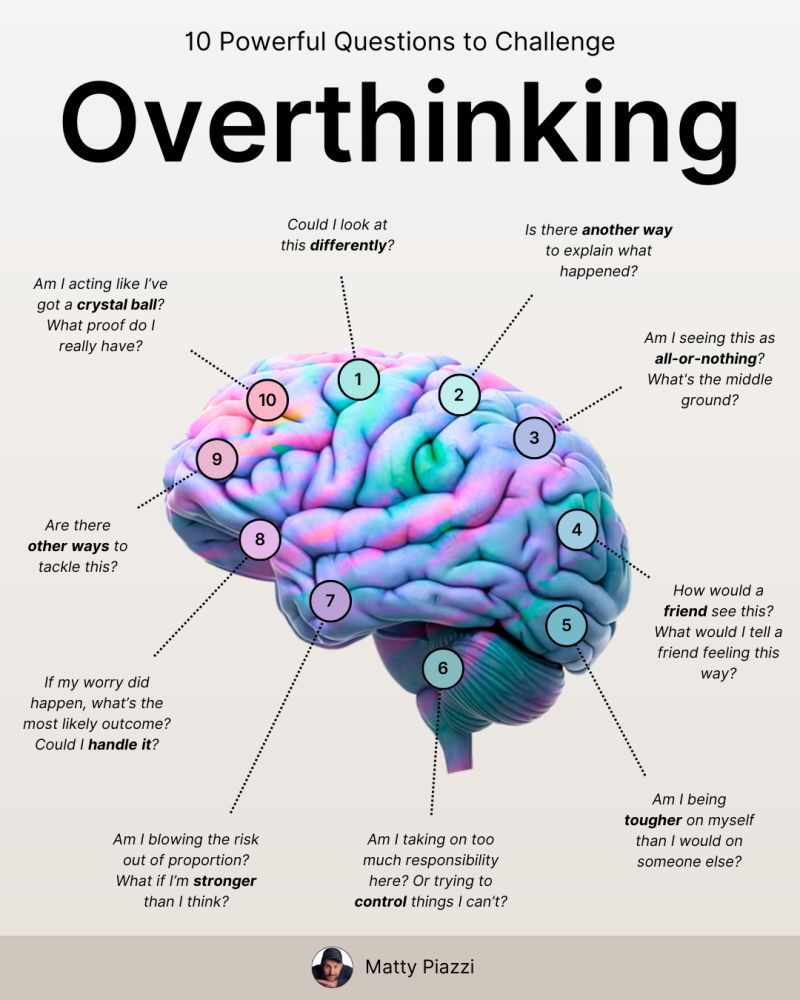
What Actually Helps (And It’s Not “Stop Overthinking”)
You don’t stop replaying conversations by forcing your brain to be quiet.
You help it stand down.
That happens when:
- your body settles
- your breath slows
- your attention returns to the present
Once the nervous system relaxes, the brain stops interrogating the moment.
Clarity comes after regulation—not before.

The Faith Piece (Without Guilt)
God does not require certainty before connection.
He doesn’t say,
Figure it out and come back composed.
He meets people in process, not after resolution.
You’re not failing faith because your brain analyzes interactions.
You’re human—with a nervous system designed to notice and adapt.
Bottom Line
You replay conversations because your brain is reaching for clarity—trying to close a loop that felt unfinished, uncertain, or emotionally charged.
That doesn’t mean something is wrong with you.
It means your system is responsive, observant, and wired to track connection.
Your mind isn’t spinning because you’re “too much.”
It’s scanning because it wants safety, meaning, and coherence.
The goal isn’t to become less aware or stop noticing nuance.
The goal is to help your nervous system feel settled enough that it doesn’t have to keep re-running the tape.
When your body feels steadier, your thoughts don’t need to work overtime.
Clarity follows regulation—not self-criticism.
Grace first. Growth Follows.
Reader Disclaimer
At Eternal Hope Christian Counseling, our content is written from a faith-integrated, clinically informed perspective. The information shared is for educational purposes only and is not a substitute for individualized mental health treatment, diagnosis, or medical advice. If symptoms worsen or distress increases, please seek support from a licensed mental health professional. Healing is a process — Grace First, Growth Follows.