Week 1
Why New Year Anxiety Feels So Heavy
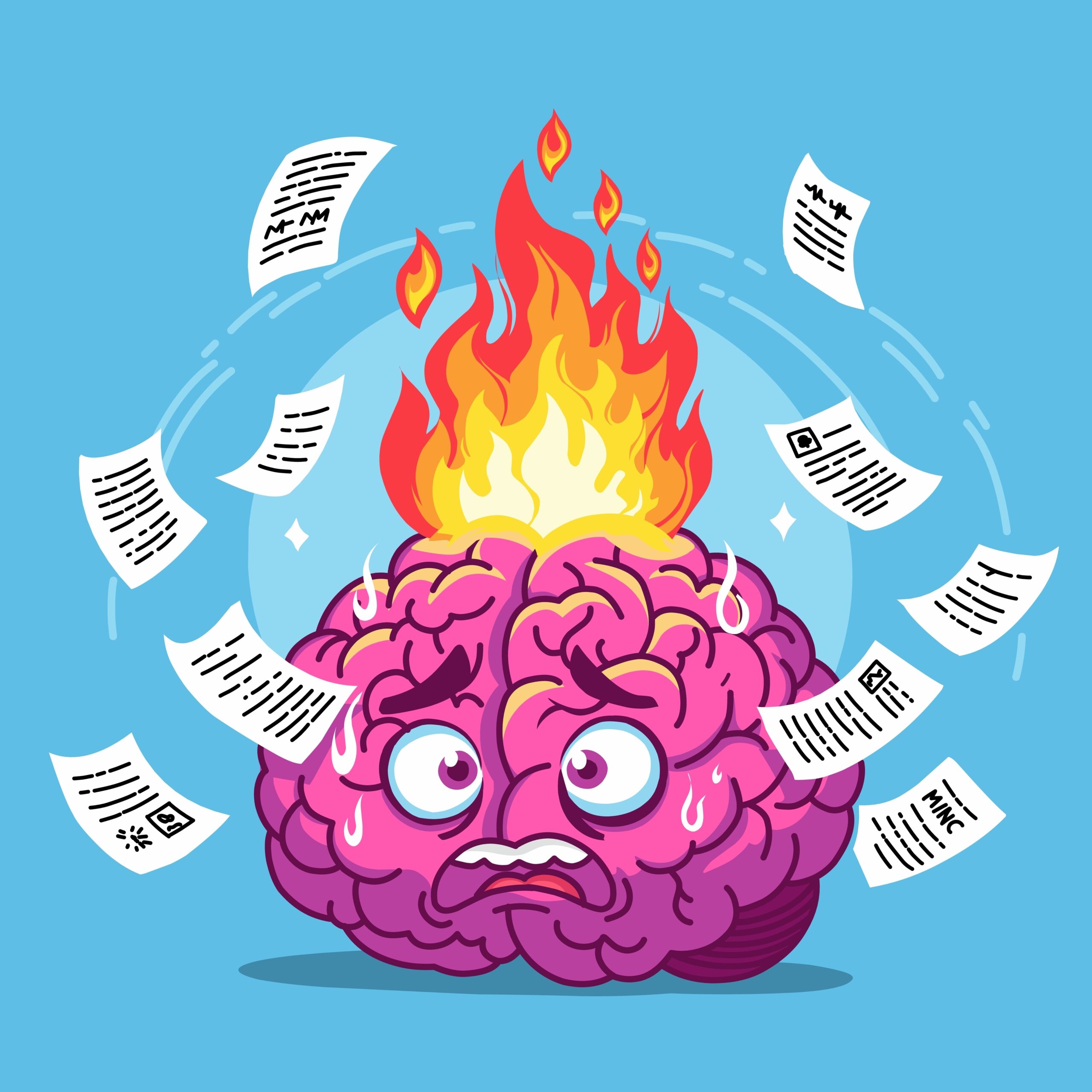
January often brings pressure to feel better fast. We expect a fresh start, more motivation, and calmer emotions. However, many people feel the opposite. New Year anxiety can rise when life does not match the “reset” story.
Our culture treats January 1st like a button you can press for mental and emotional health. Yet your brain doesn’t work that way. Instead, your nervous system looks for real signs of safety. So when stress stays the same, anxiety often stays too.

How Anxiety Works in the Brain and Nervous System
Your brain designed anxiety to protect you. The amygdala works like a smoke alarm. It scans for danger and reacts quickly. Sometimes it reacts even when you feel safe logically. That happens because it learns patterns from past stress.
Meanwhile, your thinking brain helps you plan and problem-solve. However, when your alarm system gets loud, clear thinking gets harder. As a result, you may notice racing thoughts, tight muscles, irritability, or trouble sleeping. In other words, your body often reacts first, and your logic catches up later.
That doesn’t mean you’re failing. It means your nervous system is doing its job.
Why Anxiety Doesn’t Reset on January 1
Many people wonder why anxiety doesn’t reset on January 1. The answer is simple: your nervous system doesn’t follow a calendar. It looks for evidence. It asks, “Has the danger changed?” and “Do I have what I need to handle this?”
So if stressors still show up—work pressure, family conflict, unresolved grief, health concerns, financial strain, or harsh self-talk—your body may stay on alert. Therefore, anxiety can remain even when you want hope to be stronger.
This is also why shame makes anxiety worse. Shame tells you that your struggle means weakness. However, shame adds pressure, and pressure signals threat. As a result, your nervous system tightens even more.
Signals of Safety: How to Calm Anxiety Over Time
To calm anxiety, your nervous system needs signals of safety. These signals don’t have to be dramatic. Small, steady supports often help the most because your brain learns through repetition.
For example, signals of safety can include:
- a consistent sleep and wake time
- regular meals and hydration
- movement that releases tension
- boundaries that reduce overload
- supportive conversations with safe people
- prayer and quiet that allow your body to settle
- self-compassion instead of self-criticism
Even so, you may still feel anxious sometimes. That’s normal. Healing happens as your body learns, little by little, that it does not have to stay on high alert.

Faith and Anxiety: A Christian Perspective on Process
Faith and anxiety can collide because anxious people often feel guilty for struggling. Yet anxiety does not automatically mean you lack faith. In many cases, anxiety reflects stress, uncertainty, or a body that learned to stay ready for problems.
Scripture shows that God works through seasons and process. He builds endurance, wisdom, and steadiness over time. Because of that, emotional healing often looks like small steps repeated with care. God does not rush what He is healing.
That said, faith can support the nervous system. Prayer, truth-filled thinking, community, and wise support can all help your body feel safer. In other words, you don’t have to choose between clinical understanding and spiritual care. They can work together.
Better Questions to Ask When Anxiety Lingers
Instead of asking, “Why am I still anxious?” try questions that lead to clarity and compassion:
- What has my nervous system learned to expect?
- Where does my body still feel unsafe, even if life looks okay on paper?
- What is one signal of safety I can practice daily this week?
- How might God be inviting me to release pressure and receive care?
These questions shift you from self-blame to stewardship.
January Is an Invitation, Not a Test
January is not meant to erase the past. It can invite honest awareness and gentle support instead. If New Year anxiety is part of your story, you are not alone, and you are not disqualified from growth.
Start small. Stay consistent. Let grace lead the process.
Grace First, Growth Follows.
Frequently Asked Questions About New Year Anxiety
Why doesn’t anxiety reset on January 1?
Because anxiety and the nervous system don’t respond to calendar changes. Your brain looks for real safety signals. If stressors remain, your body may stay on alert even when you feel motivated.
Is New Year anxiety normal?
Yes. New Year anxiety is common because January brings pressure, comparison, financial stress, and high expectations. When demand rises, the nervous system often reacts.
Does anxiety mean I’m not trusting God?
Not necessarily. Faith and anxiety can exist at the same time. Anxiety often reflects a stress response, not spiritual failure. God can meet you with compassion while you learn skills that support healing.
How do I calm anxiety when my body feels on edge?
Start with nervous system regulation. Use breathing, grounding, movement, hydration, sleep routines, and reducing overwhelm. As a result, your body can settle and your thinking becomes clearer.
What are examples of signals of safety?
Signals of safety include predictable routines, supportive relationships, calm environments, kind self-talk, prayerful stillness, and boundaries. Small consistent signals often help more than big changes.
How does Christian counseling help with anxiety?
Christian anxiety support blends evidence-based care with faith-integrated support. Counseling can help you understand triggers, build coping skills, and address deeper patterns with wisdom and compassion.
How long does it take for anxiety to get better?
It varies, but healing takes time. Progress often comes through consistent support, repeated practice, and working through underlying stressors.
What should I do if my anxiety is getting worse?
If anxiety disrupts sleep, work, or relationships, seek personalized support from a licensed professional. You don’t have to manage it alone.
Reader Disclaimer
At Eternal Hope Christian Counseling, our content is written from a faith-integrated, clinically informed perspective. The information shared on this blog is intended for educational purposes and reflects evidence-based mental health principles alongside a Christian understanding of grace, growth, and healing. While this content may be supportive and encouraging, it is not a substitute for individualized mental health treatment, professional counseling, diagnosis, or medical advice. If you are experiencing significant emotional distress or your symptoms are worsening, we encourage you to seek personalized support from a licensed mental health professional or appropriate medical provider. Our approach emphasizes compassion, responsible stewardship of mental health, and the belief that healing is a process—Grace First, Growth Follows.