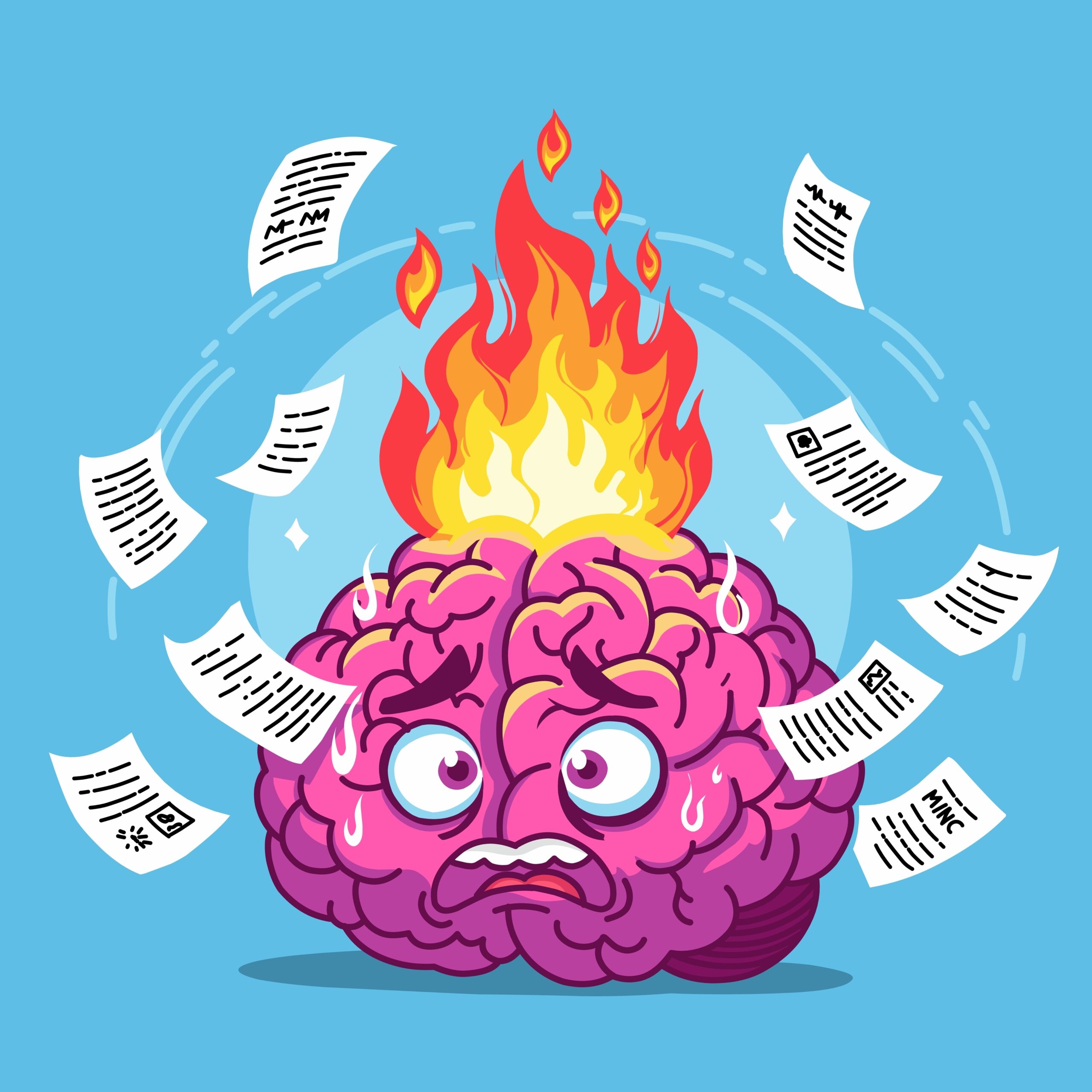
Is Anxiety a Personality Trait—or Did It Hijack Your Identity?
Why Anxiety Can Start Feeling Like “Just Who I Am”
At some point, anxiety can quietly cross a line.
It stops feeling like something you deal with
and starts feeling like something that explains who you are.
Not in a dramatic way.
Not in a breakdown-on-the-floor way.
More like this:
You shrug and say,
“Yeah… I’m just an anxious person.”
And people nod—like that settles the conversation.
That sentence can feel oddly relieving.
Like it finally gives your brain a reason for why you are the way you are.
“I’ve always been like this.”
“My brain just works this way.”
“This is just who I am.”
It sounds honest.
It sounds accepting.
But anxiety loves when familiarity gets mistaken for truth—because once anxiety becomes who you are instead of something you experience, it never has to loosen its grip.
Let me say that again……Anxiety loves when familiarity gets mistaken for truth—because once anxiety becomes who you are instead of something you experience, it never has to loosen its grip.
Soak that truth in.
When Anxiety Starts to Feel Like Identity
Anxiety doesn’t usually show up as a short-term problem.
For many people, it becomes a constant background hum.

The scanning.
The bracing.
The inability to fully relax.
When something shows up consistently, the brain labels it as identity—not because it is identity, but because the brain is wired to make meaning out of repetition.
So anxiety starts sounding like:
• “This is just how I am.”
• “Other people relax. I don’t.”
• “My brain never shuts off.”
• “I’ve always been like this.”
But consistency does not equal permanence.
It equals repetition.
And repetition can change.

The Part That’s Actually True About Anxiety
Some people really are more anxiety-prone.
Not because they’re weak.
Not because they lack faith.
Not because they “don’t trust God enough.”
But because:
• their nervous system is more sensitive
• their brain processes threat faster
• uncertainty hits harder
• calm takes longer to feel safe

Genetics matter.
Temperament matters.
Early experiences matter.
Your brain didn’t choose anxiety because it’s dramatic.
It chose anxiety because, at some point, it worked.
It kept you alert.
It kept you prepared.
It helped you survive something—sometimes quietly, sometimes constantly.
So when someone says, “I’m just an anxious person,” what they’re often noticing is this:
“My nervous system learned anxiety early and uses it often.”
That’s not a flaw.
That’s adaptation.
Why Calling Anxiety a Personality Trait Backfires
The sentence “I’m just an anxious person” becomes a problem when it shifts from describing a pattern to defining a person.
Once anxiety becomes identity, a few things tend to happen:
• You stop noticing moments when anxiety isn’t in control
• You stop experimenting with regulation
• You confuse acceptance with resignation
• You stop expecting relief
It sounds grounded.
It sounds realistic.
But underneath, it often carries a quiet grief:
“This is as good as it gets.”
Anxiety loves that belief. It settles in, gets comfortable, and stops expecting to be challenged.
Anxiety Is Not Who You Are—It’s What Your Brain Learned
Here’s the distinction that changes everything:
Anxiety is not a personality trait.
It is a learned nervous system response.
A more accurate way to describe anxiety might sound like:
• “My nervous system defaults to alert.”
• “My brain predicts danger quickly.”
• “Anxiety is familiar to my system.”
• “This is a pattern, not my identity.”
That language matters.
You can work with a pattern.
You can’t argue with an identity.
You don’t need to erase anxiety to heal.
You just need to stop letting it define you.
Faith and Identity Without Spiritual Pressure
Scripture does not deny anxiety, fear, or depression.
Elijah was depressed and wanted to die.
Moses was anxious, overwhelmed, and begged God to send someone else.
Jonah was angry, dysregulated, and shut down.
David wrote openly about panic, despair, and feeling abandoned.
The Bible doesn’t minimize emotional suffering.
It records it honestly.
But it does make one clear distinction:
Their anxiety was an experience, not an identity.
God never redefined who they were around their symptoms.
He responded with presence, provision, rest, redirection, and patience.
The message isn’t “don’t feel this.”
The message is “this does not define you.”
Bottom Line: Read This When Anxiety Gets Loud
There is truth in “I’m just an anxious person” if it names a tendency.
There is harm in it if it becomes an identity.
You are not anxiety.
You are a person with a nervous system that learned to stay alert.
And nervous systems can learn safety.
Not through force.
Not through shame.
Not through pretending you’re fine.
Through grace.
Through repetition.
Through being met instead of managed.
Grace First. Growth Follows.

Frequently Asked Questions About Anxiety and Identity
Is anxiety a personality trait?
No. Anxiety is a learned nervous system response, not a personality trait or character flaw.
Why does anxiety feel like who I am?
Because repetition creates familiarity. The brain labels frequent experiences as identity.
Does faith mean I shouldn’t feel anxious?
No. Scripture shows fear and anxiety while emphasizing God’s presence rather than shame.
Reader Disclaimer
At Eternal Hope Christian Counseling, our content is written from a faith-integrated, clinically informed perspective. This blog is intended for educational purposes only and is not a substitute for individualized mental health treatment or medical care. If symptoms are severe or worsening, please seek support from a licensed mental health professional. Healing is a process—Grace First, Growth Follows.